BrighterFaith | Faith, Music, History & the Joy of Gospel
There is something about old-fashioned Black gospel music that reaches places ordinary words cannot. The voices, the piano, the handclapping, the testimony, and that wonderful moment when somebody in the congregation cannot hold their praise any longer.
And then somebody hollers, “Amen!”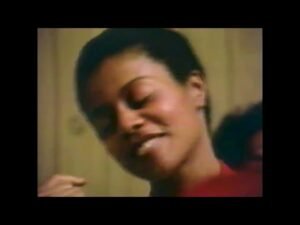
If you grew up around Black churches, some of the scenes in Say Amen, Somebody may feel wonderfully familiar. The music is glorious, but so are the people. Their humor, their disagreements, their determination, and their stories remind us that gospel music did not simply emerge from recording studios. It grew inside families, churches, communities, and lives that knew both suffering and joy.
Directed by George T. Nierenberg, Say Amen, Somebody premiered in 1982 and reached American theaters more widely in 1983. It remains one of the most celebrated documentaries about Black American gospel music.
Here are ten fascinating things about this remarkable film and the people who made its music unforgettable.
1. The documentary preserves the voices of two gospel pioneers who helped shape American music.
Imagine being able to sit down and listen to the people who helped create the gospel traditions that generations of Americans grew up hearing.
That is part of what makes this film so precious.
The documentary features Thomas A. Dorsey, widely known as the Father of Gospel Music, and Mother Willie Mae Ford Smith, one of gospel’s great pioneering singers and teachers.
Both were elderly when the film was made. They had lived long enough to witness gospel music grow from something controversial in some churches into a beloved part of American religious and musical life.
The film gives them room to tell their own stories, laugh, remember, and sing.
What a gift to history when we preserve the voices of people who were there.
2. Thomas A. Dorsey had a career in blues music before becoming a gospel legend.
Before he became famous for gospel music, Thomas Dorsey performed secular blues under the name Georgia Tom.
That surprises some people who assume gospel and blues developed in completely separate worlds.
Dorsey understood both traditions. He brought blues-influenced melodies, rhythms, and emotional expression into sacred music, helping shape what became modern Black gospel.
Not everyone welcomed his innovations. Some church leaders considered the new sound too worldly.
Today, that same musical approach is part of what people recognize and love about traditional gospel.
Sometimes the sound that one generation questions becomes the sound that another generation treasures.
3. The film tells the heartbreaking story behind “Take My Hand, Precious Lord.”
One of the documentary’s most moving moments comes when Dorsey recalls the personal tragedy that inspired his beloved composition, Take My Hand, Precious Lord.
In 1932, his wife, Nettie, died following childbirth. Their newborn son also died.
Dorsey was devastated.
Out of that terrible grief came a song that would comfort countless people facing losses of their own.
The hymn later became closely associated with Dr. Martin Luther King Jr. and the American civil rights movement.
Hearing Dorsey discuss the song himself gives it another dimension. We are not simply hearing the history of a famous hymn. We are hearing a grieving husband’s testimony.
There is something deeply human about knowing that a song written during one person’s darkest hours could become a source of comfort for millions.
4. Mother Willie Mae Ford Smith was a remarkable teacher whose influence reached far beyond her own fame.
One of the greatest pleasures of Say Amen, Somebody is discovering Mother Willie Mae Ford Smith.
She was a powerful gospel soloist, mentor, and teacher who helped shape generations of singers. Through her work with the National Convention of Gospel Choirs and Choruses, she encouraged performers to develop their gifts.
Yet her influence was much greater than her commercial recognition.
She spent years helping others become the singers audiences would celebrate.
And isn’t that an important part of Black American musical history?
Some of the people who helped build our greatest traditions never received the public recognition their work deserved.
Mother Smith reminds us that being influential and being famous are not always the same thing.
5. The documentary gives us a fascinating look at the expectations placed on women in gospel music.
This is one of the film’s most interesting subjects, especially when viewed today.
Women helped build gospel music. They sang, taught, organized, traveled, raised money, mentored younger performers, and kept musical traditions alive.
Yet their dedication sometimes came with enormous personal sacrifices.
The documentary shows singer Zella Jackson Price wrestling with the demands of her musical calling and her responsibilities at home.
Mother Smith’s own life also reveals the challenges women faced when their work required them to travel and spend time away from their families.
These moments give the documentary a depth that goes beyond music.
We get to see women who loved God, loved their families, and also possessed extraordinary talents they wanted to use.
Their stories raise a question worth considering: How many women helped build the church’s musical legacy while receiving too little support for the work they were called to do?
6. The Barrett Sisters deliver performances that show why gospel singing is an art form all its own.
The documentary features the magnificent Barrett Sisters, including Delois Barrett Campbell.
Their harmonies, vocal control, and emotional expression demonstrate the extraordinary musicianship that developed within Black churches.
There is a beautiful balance in their singing. Each voice has its own personality, yet together they create something greater.
The sisters were already accomplished performers, but the documentary helped introduce them to additional audiences.
Their appearance contributed to new opportunities, including European performances in 1983.
It is a reminder that Black gospel music has always possessed an international reach, even when mainstream entertainment institutions failed to give its artists their due.
7. The filmmaker organized a special tribute concert for Mother Smith.
Here is a behind-the-scenes detail that makes the documentary especially interesting.
Director George Nierenberg did not simply arrive with cameras and wait for events to unfold.
He helped organize a tribute concert honoring Mother Willie Mae Ford Smith in St. Louis.
That celebration became one of the documentary’s central musical events.
The concert brought together remarkable singers to honor a woman whose teaching and encouragement had helped sustain gospel music for decades.
Watching the tribute, we see something especially meaningful: a community honoring one of its elders while she is still alive to receive the love.
There is a lesson in that.
We should not wait until the funeral to tell people how much their lives and contributions have meant.
8. The documentary almost did not happen, and its director spent a year searching for the right people.
George Nierenberg was not originally an expert in gospel music.
A friend suggested that the subject deserved a documentary, and Nierenberg began exploring the tradition.
He and his wife, Karen, attended churches and gospel performances to learn about the music and the people who created it.
The search for performers took approximately a year. Nierenberg interviewed hundreds of people, including well-known gospel figures.
He later explained that meeting Thomas Dorsey and Mother Smith was essential to making the film.
And here is another surprise: although the preparation was extensive, principal photography took only about fifteen days in 1981.
What audiences received was the result of careful research, relationship-building, and a determination to preserve something culturally important.
9. The film was restored decades later so new generations could experience its music.
For years, Say Amen, Somebody was difficult to see in theaters.
Then, in 2019, a beautifully restored 4K version brought the documentary back to audiences.
The restoration received support from institutions including the Smithsonian National Museum of African American History and Culture and the Academy Film Archive.
The sound was also restored, allowing viewers to experience the performances with greater clarity.
Think about what that means.
The people featured in the documentary belonged to generations whose musical influence might otherwise survive mainly through recordings, photographs, and memories.
Now, younger audiences can see their faces, hear their voices, watch their expressions, and witness the joy of their performances.
Preserving Black cultural history is not simply about keeping old material in storage. It is about making that history available to the generations still coming.
10. The documentary became part of America’s official film heritage.
In 2025, Say Amen, Somebody was selected for preservation in the United States National Film Registry.
The Library of Congress recognizes films for their cultural, historical, or aesthetic significance.
That recognition places this gospel documentary among works considered important to America’s film heritage.
What a remarkable journey for a film celebrating music that once faced resistance even inside some churches.
The people featured in Say Amen, Somebody helped create a musical language that influenced generations of gospel, soul, R&B, and popular music performers.
Their legacy belongs not only to church history but to American cultural history.
And now the film that preserved their voices has itself become part of the nation’s historical record.
Why Say Amen, Somebody Still Deserves Our Attention
What I appreciate about this documentary is that it does not separate the music from the people who made it.
These singers had families, disappointments, disagreements, financial concerns, and ordinary responsibilities. They were not floating above life’s troubles simply because they sang about faith.
They were living through life, just like everybody else.
And still, they found reasons to sing.
That is one of the most beautiful things about Black American gospel traditions. The music never required people to pretend that life was easy. Some of our most treasured songs acknowledge trouble, grief, uncertainty, and exhaustion.
But they also make room for hope, laughter, celebration, and the belief that trouble does not get the final word.
There is something wonderful about watching people who have lived long lives still light up when the music begins. You can see the years in their faces, but you can also see the joy.
Say Amen, Somebody preserves more than performances. It preserves a way of gathering, encouraging one another, passing down wisdom, and finding strength in faith.
And for those of us who appreciate the history of Black American churches, it offers something else: the pleasure of seeing our elders remembered as full human beings, with humor, personality, talent, and stories worth telling.
Somebody had the wisdom to turn on a camera and preserve that joy. Decades later, we are still blessed to witness it.
Amen, somebody.
Watch and Learn More
You can explore the documentary through The Criterion Channel.
For more about the film and its history, visit the American Film Institute Catalog, Film at Lincoln Center, and the Smithsonian National Museum of African American History and Culture.
BrighterFaith: Remembering the stories, songs, and testimonies that help us carry faith forward.