
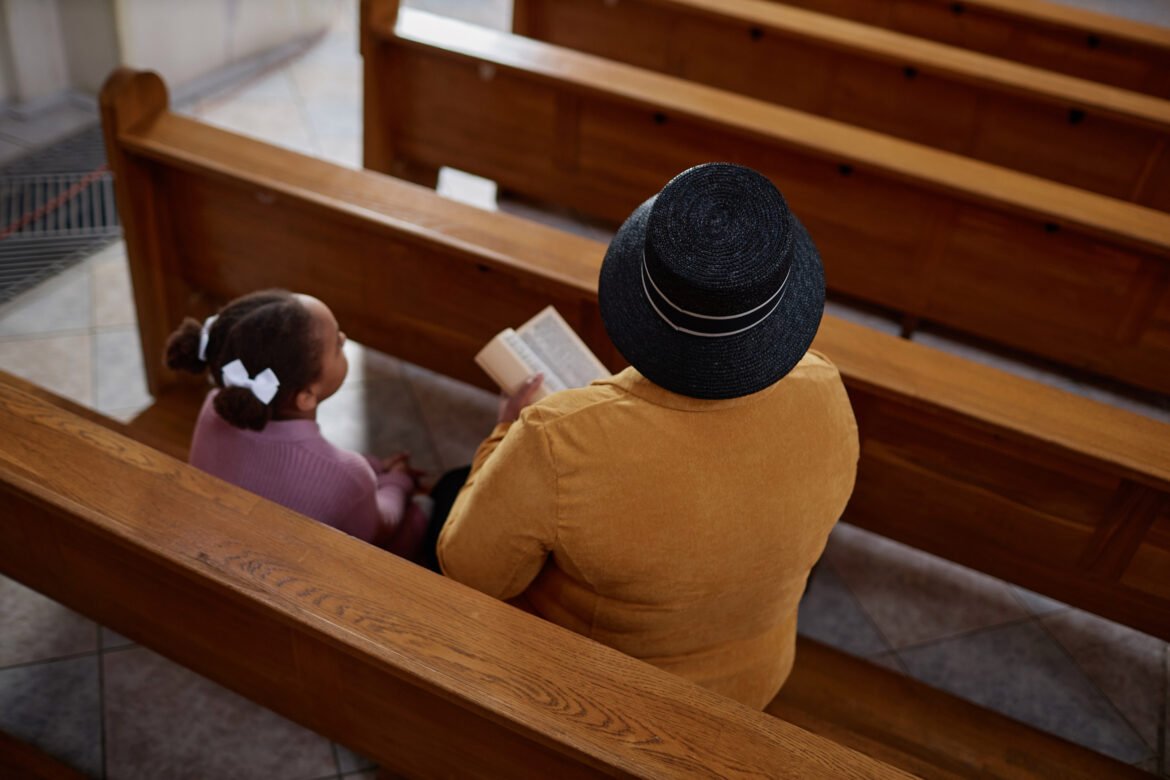
Protecting children at church is not distrust — it’s discipleship. It is holy work. It is the way we show — not just say —
Category: Boundaries & Dignity
reflections on self-protection and sacred space
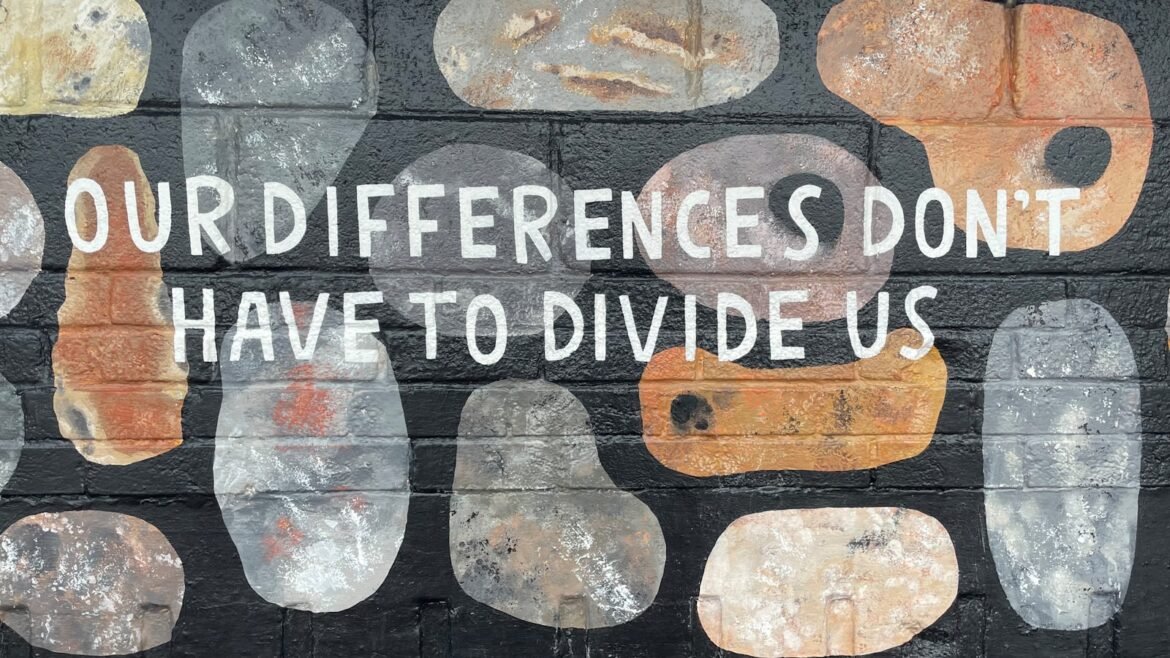
5 Things Empathy Is Not
Empathy is a gift from God—a way of connecting with others and showing compassion. But sometimes, empathy gets twisted into something it was never meant
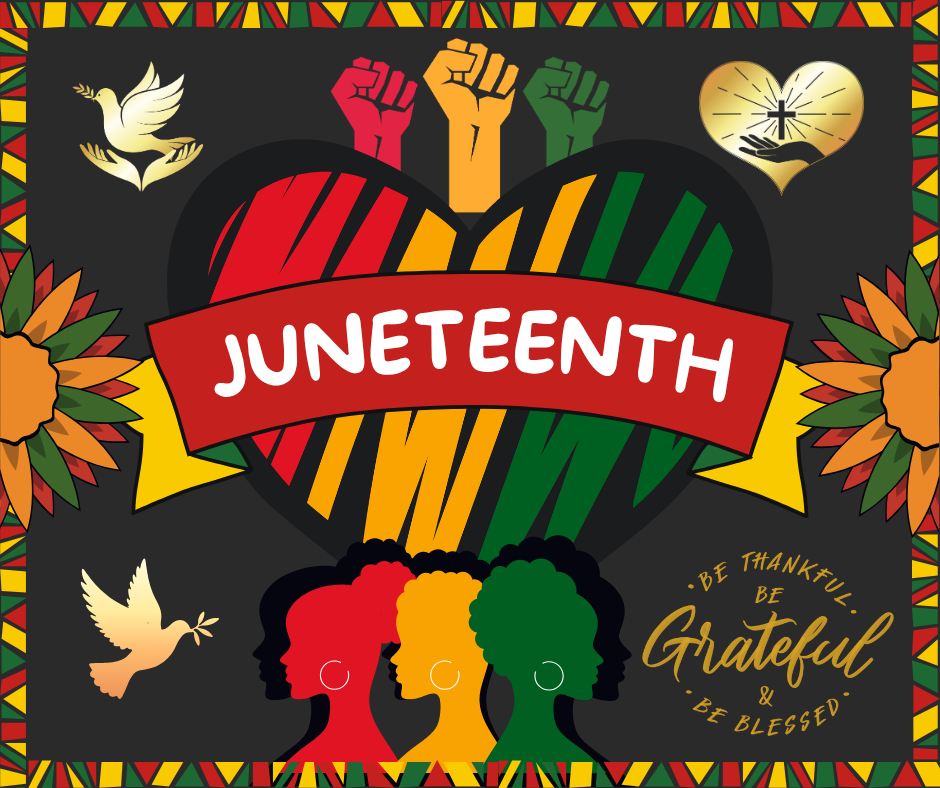
A Juneteenth Devotional: Not a Bill. A Bridge.
Not a Bill. A Bridge. Scripture:“The lines have fallen for me in pleasant places; indeed, I have a beautiful inheritance.”Psalm 16:6 Juneteenth reminds us that

Before We Ask About Forgiveness, We Should Ask About Responsibility
Scripture: “Produce fruit in keeping with repentance.” — Matthew 3:8 (NIV) Forgiveness is one of the most beautiful gifts God gives us. Christians rightly talk

Guard the Flock Online: Digital Boundaries Between Adults and Youth at Church
We love our young people.We pour into them. Pray for them. Walk with them. And today, that love must also include clear digital boundaries —

God Never Asked Love to Wear the Mask of Fear
There is a question many people never think to ask: If someone has to keep you afraid in order to keep you close, what are
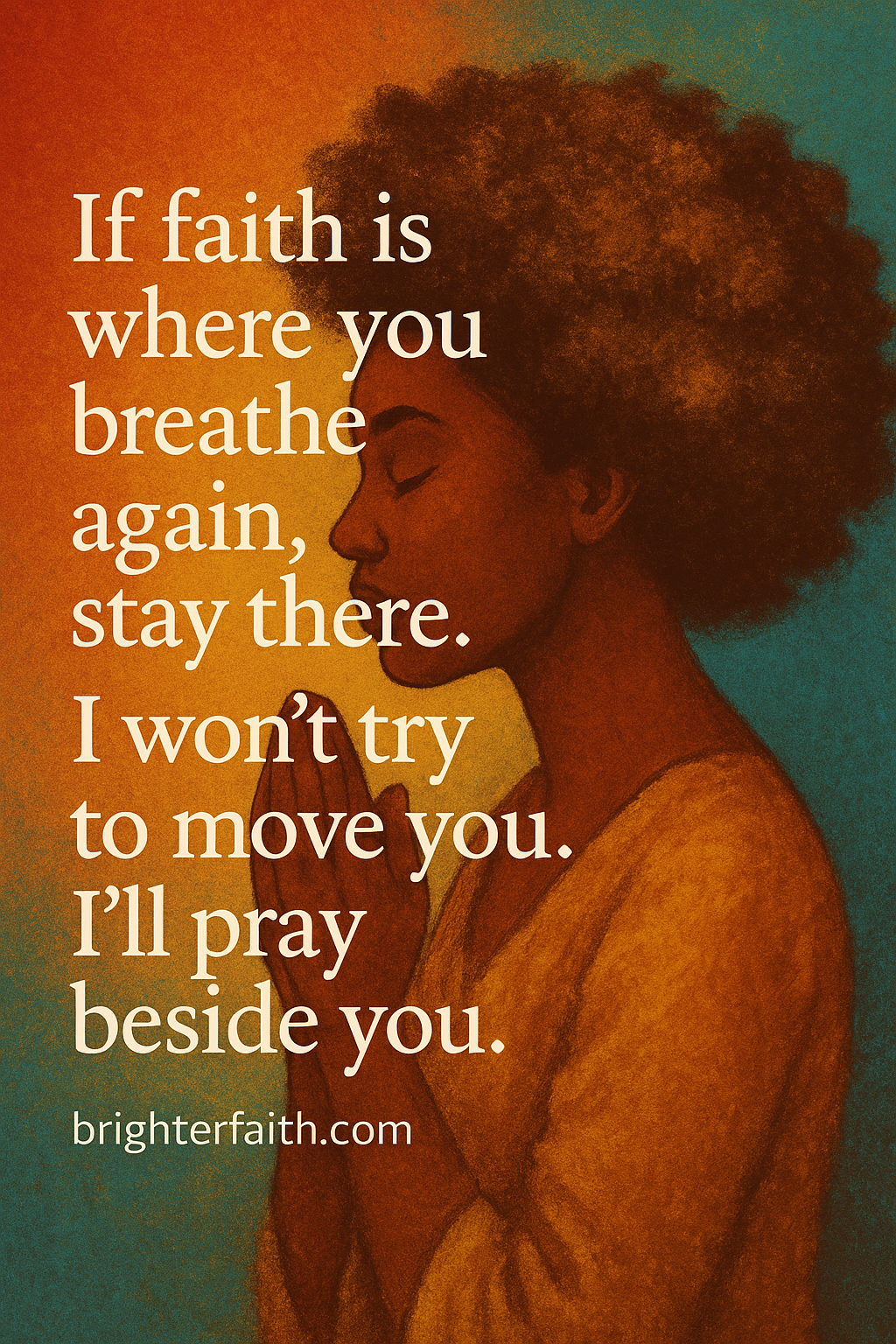
✨ Respect Her Sanctuary
There are women who return to faith not because they are naïve, but because they are wise.Because they know what it means to be lost

When Empathy Is Misused
Reflection:There’s a growing message in the world that says we must extend empathy—even to those who openly despise us, speak harm against us, or plan

✨ Devotional: Love is a Lamp, Not a Spotlight
God’s love is not meant to shine only on a few, but to light the way for all. Scripture:“You are the light of the world.
The Church Must Stop Excusing Abuse and Start Confronting It
Many Scriptures speak of justice, protection of the vulnerable, refusing to tolerate or cover up wrongdoing, and calling God’s people to act rightly. These verses