

For decades, women were the bedrock of the church. Today, they are leading the exit. When a sanctuary feels like a courtroom for your private life but a shield for systemic violence, leaving isn’t a lapse in faith—it’s self-preservation. Here is why the data is finally backing up what women have known for years.
Historically, women have been the backbone of the church—doing the majority of the volunteer labor, organizing, and community building. Yet, many women increasingly feel that the church operates as a space of intense micro-surveillance for them while offering a pass to structural and physical harms perpetrated by men.
Here is how this shows up:
1. The Asymmetry of Accountability
The contrast between what is analyzed in women and what is tolerated in men is stark:
- The Micro-Analysis of Women: Women’s clothing, tone of voice, marital submission, parenting choices, and relationship status are often subjected to microscopic theological scrutiny. Purity culture, for instance, has historically placed the entire burden of male lust and sexual morality onto the shoulders of young girls and women.
- The Macro-Blindness to Male Violence: When domestic abuse, sexual violence, or coercive control occur, the institutional response has too often been to protect the status of the male perpetrator or the reputation of the institution. Wives are frequently counseled to “endure,” “pray harder,” or “submit” to abusive husbands to keep a marriage intact, effectively prioritizing a theological framework over physical and psychological safety.
2. The Focus on Compliance Over Safety
In many traditional spaces, a woman’s spirituality is measured by her compliance—how quiet, accommodating, and supportive she is.
Angela J Herrington
This creates a dangerous environment where asserting boundaries, calling out mistreatment, or demanding safety is treated as a spiritual failure (e.g., being labeled “divisive” or “unsubmissive”).
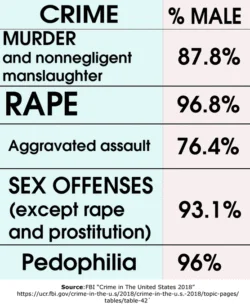
Meanwhile, aggressive, domineering, or abusive behaviors in men are sometimes excused as a lack of “spiritual maturity” or repackaged as “misguided leadership” that simply requires private counseling. There is a real sense that we are in an escalating crisis of male entitlement and male violence against women, and on both points, “the church” largely remains quiet and non-protective.
3. Voting with Their Feet
For decades, sociologists took it for granted that women were consistently more religious and highly represented in pews than men. But that is rapidly changing.
Recent demographic data shows a historic shift: younger women are leaving organized religion at unprecedented rates, closing the long-standing gender gap and, in some demographics, becoming more secular than their male peers.
The Cultural Reality (Voting with Their Feet)
Conversely, secular analysts and women who have actually walked away frame the exodus as an act of courage, agency, and self-preservation.
They point directly to:
- The Fallout of Purity Culture: The lasting psychological damage of a culture that taught young girls they were responsible for keeping men from sinning, while offering no tools for their own safety or agency.
- The Hypocrisy of Power: Watching high-profile abuse scandals unfold where leadership chose to protect male perpetrators and institutional reputations over the safety of female victims.
- Rigid, Outdated Frameworks: The cognitive dissonance of being highly capable, educated, and equal partners in the professional world, only to step into a religious space where their voices are structurally minimized.
Personally, it is beyond exhausting to sit in the pews for another teaching about what “women and girls” should do; meanwhile, many churches have no idea what to do about domestic violence, harassment, stalking, sexual violence, or healing from these issues on a deep and meaningful long-term basis. Simply telling women to pray? What if we have? Now what?
And why are there too few sermons or teachings for men and boys to end violence? To respect boundaries? How to deal with breakups in a healthier way. To understand consent, coercion, and emotional control?
| The Changing Landscape | The Reality |
|---|---|
| The “None” Shift | Among Gen Z, young women are now leading the exit from organized religion, driven largely by frustrations with sexism, institutional hypocrisy, and purity culture. |
| The Safety Deficit | Publicized abuse scandals (like the #ChurchToo movement) have broken the trust of women who realize the institution cannot—or will not—guarantee their safety. |
| The Autonomy Mismatch | As women achieve greater professional and personal autonomy, they find it untenable to step into a Sunday environment where their capabilities are viewed as a liability or their secondary status is codified. |
When a sanctuary feels more like a courtroom for your private life and a shield for someone else’s violence, leaving isn’t just an intellectual choice—it is a matter of self-preservation. It is entirely logical that women are choosing to find community, safety, and spiritual peace outside of institutions that refuse to offer them basic protection and equal dignity.
The “Four-Alarm Fire” in the Data
For decades, sociologists of religion operated under a fundamental rule: women are the bedrock of the church. They attended more, volunteered more, and passed the faith down to their children. But recent data from major polling groups like the Public Religion Research Institute (PRRI), the Survey Center on American Life, and Barna shows that the bedrock is fracturing:
- The Gender Flip: Historically, those who left the church were overwhelmingly male. In Gen Z, that has completely reversed. Now, nearly 54% of young adults leaving their formative religion are women.
- The Unaffiliated Surge: In 2013, only 29% of young women identified as religiously unaffiliated. Today, that number has climbed to 43%.
- The Safety and Equality Gap: In these national polls, nearly two-thirds (65%) of young women explicitly state they do not believe churches treat men and women equally.

When you layer race over this data, the picture becomes much more nuanced. While the downward trend in church attendance is happening across the board, the speed of the exodus and the specific cultural dynamics vary drastically between White, Black, and Hispanic women.
The intersection of race and religious trauma changes how women experience institutional scrutiny—and what it costs them to leave.
1. White Women: The Steepest Drop
The massive “gender flip” where young women are leaving faster than young men is most pronounced among White women, particularly those from evangelical backgrounds.
- The Catalyst: Purity culture and the political alignment of the modern white church have been massive drivers.
- The Dynamics: White women generally have had more social permission in secular spaces to walk away without losing their entire cultural safety net. For many, leaving the church means leaving a toxic theology, but it doesn’t necessarily mean losing their broader community or racial safety.
2. Black Women: The Strongest Hold (and Highest Cost)
Statistically, Black women remain the most religiously active demographic in America. They are the undisputed backbone of the Black Church, attending and volunteering at rates higher than almost any other group. However, the internal tension there is incredibly intense:
- The Institutional Sanctuary vs. Micro-Surveillance: Historically, the Black Church has been a vital sanctuary from external systemic racism and state-sanctioned male violence. Because the church acts as a fortress of survival, leaving it carries a massive cultural and communal cost.
- The Internal Scrutiny: Despite being the literal lifeblood of these spaces, Black women frequently face intense restrictions regarding leadership roles, pastoral authority, and the policing of their personal lives.
- The Quiet Shift: While Black women are not abandoning faith at the same rapid clip as White women, a growing number of younger Black women are quietly stepping away from the pews—often moving toward independent spirituality or digital faith communities because they are tired of their labor being exploited while their voices are minimized.
3. Hispanic/Latina Women: The Familial Fracture
For Latina women, religion (particularly Catholicism and, increasingly, Pentecostalism) is deeply woven into the fabric of family, heritage, and maternal identity.
- The Matriarchal Pressure: In Hispanic culture, the abuelas and mothers are the cultural keepers of faith. For a young Latina to leave the church, it is often viewed not just as a personal choice, but as a rejection of her family and her heritage.
- The Breakpoint: Machismo culture within traditional religious spaces frequently protects male authority and overlooks domestic misconduct. Younger Latinas, balancing higher educational attainment and greater financial independence, are increasingly refusing to tolerate the traditional expectation that women should “suffer in silence” to keep a family together. Consequently, the number of religiously unaffiliated Hispanic women has surged over the last decade.
The Shared Reality, Different Shadows
| Demographic Group | Primary Driver for Staying | Primary Catalyst for Leaving |
| White Women | Tradition, social/family circles | Purity culture, institutional hypocrisy, political alignment. |
| Black Women | Cultural survival, racial solidarity, deep communal safety net | Exploitation of labor, lack of leadership representation, unchecked pastoral authority. |
| Latina Women | Deep familial ties, cultural heritage, maternal identity | Machismo culture, suppression of autonomy, protection of abusive dynamics. |
Ultimately, while the statistical charts look different depending on race, the underlying ache is identical. Whether a woman is White, Black, or Brown, she is dealing with the exact same fundamental friction: the exhaustion of being hyper-analyzed by the very people who turn a blind eye to the structural and physical dangers she faces in the world.
As writer Liz Cooledge Jenkins put it in a piece for Baptist News Global, for evangelical churches left behind, this is a four-alarm fire—but for the women leaving, it is freedom.
You cannot expect people to keep investing their lives, energy, and souls into institutions that treat their boundaries as an afterthought and their safety as a secondary concern. Not everyone is breaking their connection with God, but when a space is unable or unwilling to meet a woman’s needs, then ….she makes other plans.
To walk away from a community that once held your stories, your rituals, and your faith is rarely an act of casual indifference; for most, it is a grief-soaked choice made when the cost of staying became too high to bear. This exodus is not a rebellious rejection of God, nor is it a trend to be managed with better marketing or superficial programs.
It is a profound, loving act of self-preservation. True love does not demand that women subject themselves to microscopic surveillance while systemic harms are minimized or excused. Until institutions realize that safety, equality, and dignity are non-negotiable requirements of a sacred space—rather than optional concessions—the pews will continue to empty. Leaving is not a failure of faith; sometimes, it is the only way to keep your soul, your boundaries, and your humanity entirely inviolate.
Are women leading or leaving the church? – Baptist News Global
Gen Z women are losing their religion, new study finds
❓FAQ: What’s Going On With Untested Rape Kits? – WE Survive Abuse